

Fellowship of epic
Creators behind the myth and magic of AzNameh.
Author
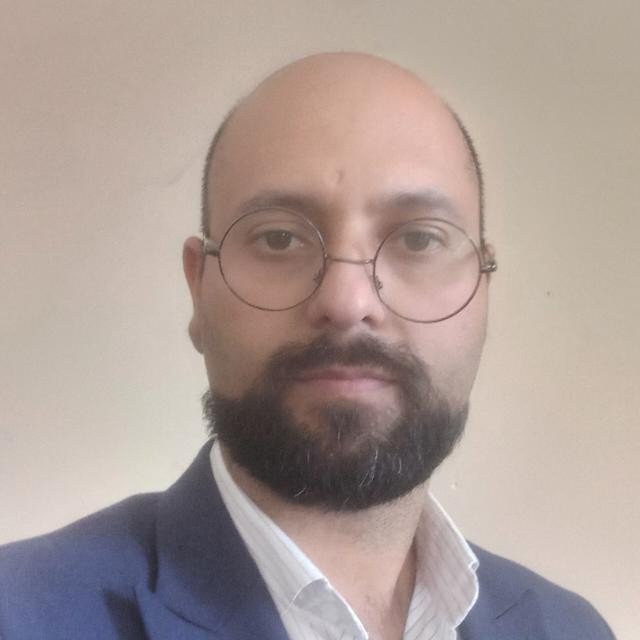
Nasser Hadjloo
As the author of AzNameh, I write not simply as a storyteller but as an independent scholar of Manicheanism, compelled to confront the silence surrounding forgotten traditions of Mesopotamia and Iran. What might otherwise remain scattered fragments of obscure lore, I have sought to reimagine as a living epic, one that breathes with gods, demons, giants, and mortals, yet speaks with urgency to the modern world.
This work positions me as both a custodian of forgotten lore and a creator of new myth, bridging past and present through deliberate revival rather than nostalgia. By weaving together mythic echoes and contemporary sensibilities, I aim to craft a narrative that is at once timeless and immediate, challenging the boundaries of genre and inviting readers into a space where history and imagination collide.
Critics will find in AzNameh not only a resurrection of neglected traditions but also a bold experiment in literary hybridity. It is a work that dares to reimagine the mythic canon, asking whether ancient voices can still speak with relevance today. In doing so, it provokes a reconsideration of how myth functions in contemporary literature, not as relic, but as a force reborn, capable of shaping new cultural narratives and redefining the epic for our time.
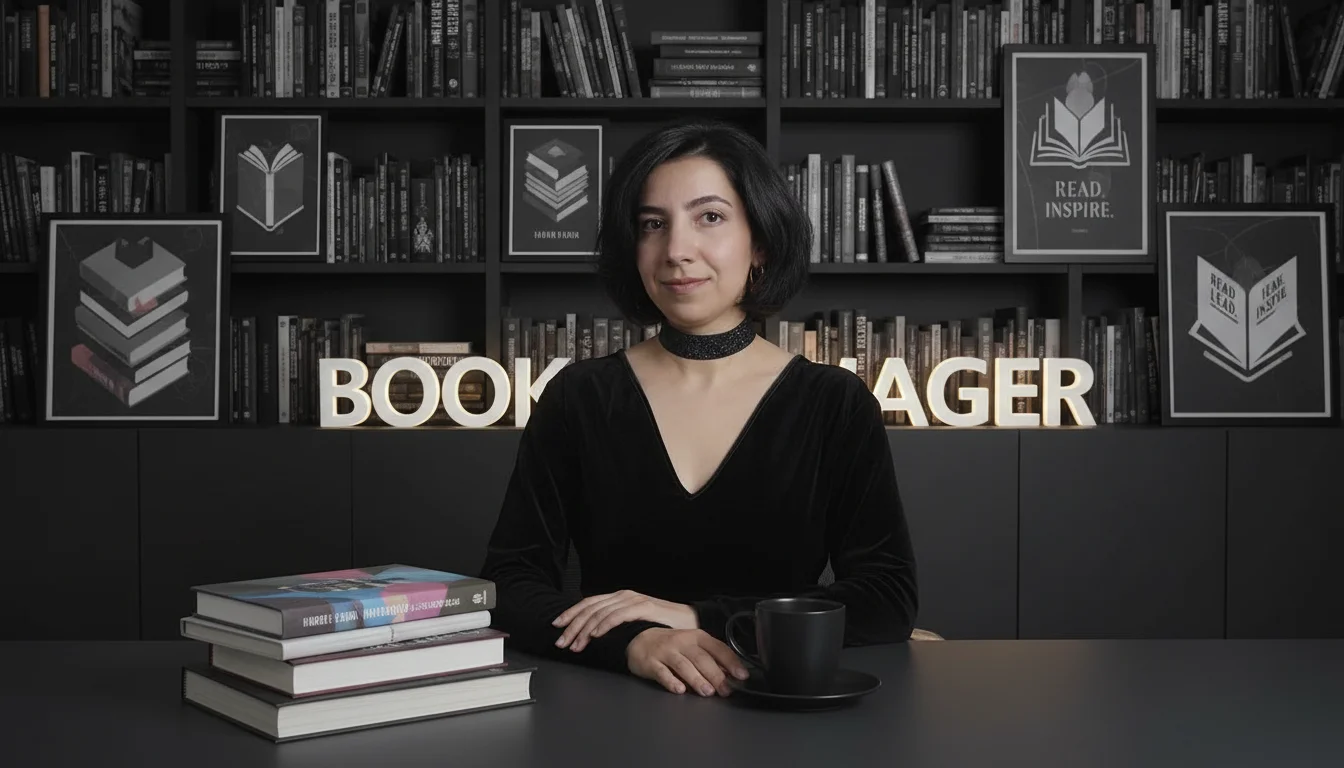
President
Faezeh Roayaei
My mission as the president of the AzNameh collection went far beyond managing a literary work. I sought to carry this valuable heritage beyond the borders of Iran and elevate it to a global stature. AzNameh is no longer merely a collection of stories; it has become a bridge between the culture of Iran and audiences across the world.
To achieve this goal, it was necessary to engage with diverse groups in different countries, to introduce this collection and acquaint them with its narratives; stories that had remained silent and forgotten for centuries.
Today, AzNameh is available in multiple languages and across the world; its narratives, rooted in the history and culture of Iran, now inspire new generations. This achievement is not only a testament to the value of the collection, but also highlights my pivotal role in bringing the voice of Iranian culture to the world.
My vision of AzNameh goes beyond its storytelling; I regard it as the first modern Manichaean literary collection, unique not only in Iranian literature but in world literature. For this reason, I am deeply proud to have introduced this ancient heritage as a living legacy to humanity, and to have played a role in globalizing a tradition long consigned to silence.
Illustrator
Kourosh Lornezhad
Graduate of Painting
I have always sought, through the re-presentation of the dark and obscured half of Near Eastern mythologies, to reveal the inversion of the concepts of good and evil within the conduct and thought of contemporary humanity;
a place where Mithra, the guardian deity and bringer of light, is reduced to the form of a wretched serpent, in order to offer free will – embodied in the form of a fruit – to a seemingly higher station: the human being.
Yes, the human;
that very speaking ape who, until yesterday, wailed at the feet of the gods and sacrificed his own children to attract the favor of stone idols slumbering in temples, so that his agricultural yields might be spared from storm and cold.
That same irrational and insignificant creature now stands with exaggerated pride, pounding the earth with heavy steps, as though the firmament itself were clenched within his fist.
This is the narrative of my illustration.
I strive to remind the forgotten faces;
the horns and wings that were denied entry into the nascent civilization of humankind, replaced instead by dark sunglasses and flamboyant garments.
English Translator
Samaneh AfshariNeyrizi
Stories can conquer fear, you know. They can make the heart bigger.
What looks to be in simplest of words is quoted from what one of my favourite authors, Ben Okri, says. His humble looking words point at a profound truth, what I have lived through the story of Az first hand.
Farsi Editor
Mohammad Zargaripour

